What a well-stocked plumbing truck carries, and why it saves you a second visit
The difference between a one-visit fix and a three-day wait is often what's on the truck.
October 7, 2026 · 4 min read
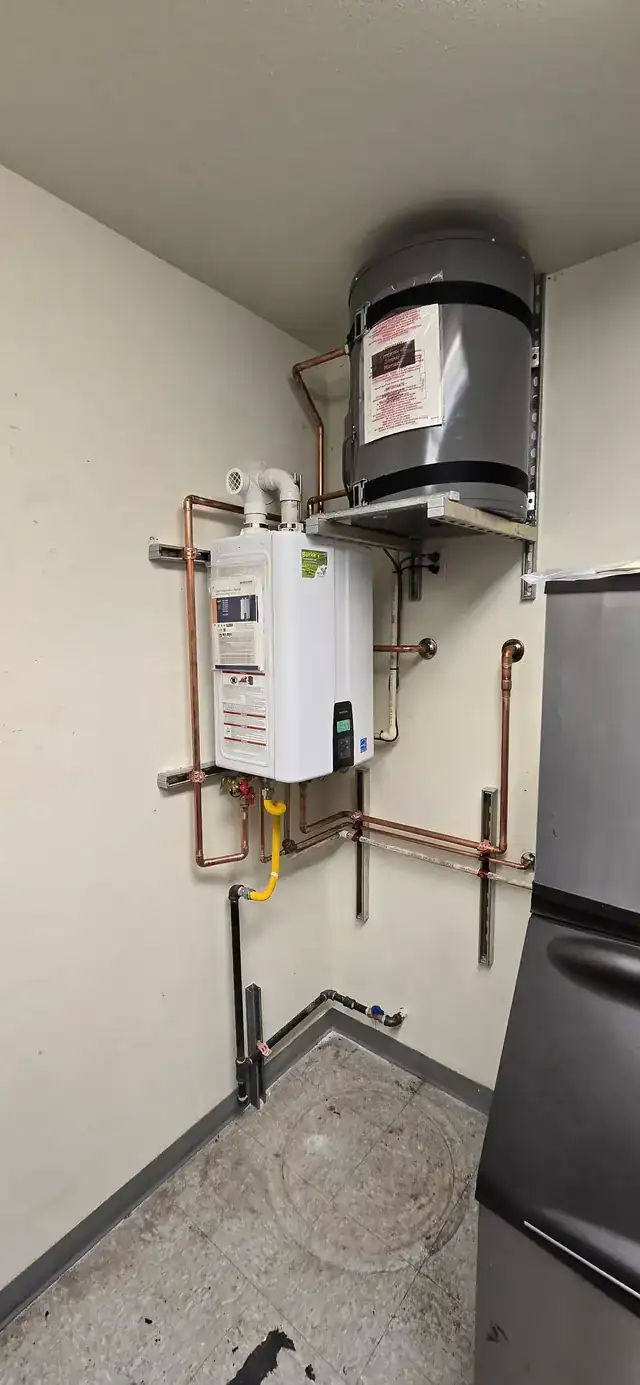
When a plumber walks up to your door, the first thing that decides how your day goes isn't the diagnosis. It's the truck. A plumber who finds a bad shutoff valve and has one on board finishes the job. A plumber who finds the same valve and has to drive to a supply house leaves you with the water off for the afternoon.
You don't need to inspect the truck. But knowing what a prepared plumber carries helps you ask good questions and understand why some jobs wrap up in an hour and others stretch across days.
Parts for the repairs that come up every day
The fast repairs are the ones with parts on hand. Toilet fill valves and flappers, wax rings and closet bolts, faucet cartridges and supply lines, P-traps and slip nuts, shutoff valves in the common sizes. These are small, cheap, and the reason a plumber can fix a running toilet or a dripping faucet on the first visit.
Water heater work has its own set. Temperature and pressure relief valves, thermostats and heating elements for electric units, thermocouples and gas control parts for gas models, flex connectors, dielectric unions, and expansion tanks. The expansion tank is worth a mention: in a closed plumbing system, heated water has nowhere to go, and a tank takes up the pressure. You'll often see one mounted above a new heater.
Pipe, fittings and the tools to join them
A plumber needs to cope with whatever is inside your walls. That can mean copper, PEX, CPVC, galvanized steel, cast iron or ABS and PVC drain pipe in the same house after several rounds of remodeling. A prepared truck carries couplings and transition fittings between these materials, plus repair clamps and no-hub couplings for cast iron.
The tools matter as much as the parts. Torches, solder and flux for copper. Crimp or expansion tools for PEX. Pipe cutters and press tools. Pipe threading tools for gas and older steel lines. A plumber without the right tool for your pipe will either improvise or leave.
Equipment for finding what you can't see
Some of the most valuable gear on a plumbing truck is not for fixing anything. It's for finding things.
- A sewer camera on a flexible line, to look inside drains and see roots, cracks, offsets and low spots.
- A pipe locator, to trace a buried line from the surface so a trench is dug in the right place.
- Moisture and leak detection tools for water behind walls.
- A combustible gas detector for gas lines and appliances.
- Pressure gauges to test a line or check the regulator.
This is what separates a plumber who tells you what the problem is from one who tells you what it might be.
Drain clearing gear
Drains need their own category. A hand auger for sinks and tubs, a larger machine with interchangeable cutter heads for main lines, and for stubborn buildup a hydro jetter that pushes high-pressure water through a hose to scour pipe walls. On a commercial property the equipment grows: a vacuum and jetting truck can clear parking-lot catch basins and floor drains that a handheld unit can't touch.
Gas work and safety supplies
Gas fittings, flex connectors, shutoff valves, and pipe sealant rated for gas are a separate stock, because gas is not a place to improvise. The same goes for safety gear on the truck: a fire extinguisher, drop cloths and floor protection so a repair doesn't leave a mess, and shoe covers or boot trays for the inside of your house.
What it means for you
You can learn something about a plumbing company from how they handle parts. Ask a few plain questions when you call:
- Will you be able to finish today, or do you expect to order parts?
- Do you bring your own water heater and fixtures, or do I have to buy them first?
- If you find something else wrong, can you fix that on this visit?
A straight answer to those tells you how they run their trucks. And when you do need something special, like a particular faucet finish or an uncommon valve size, it's reasonable for a plumber to say so up front instead of promising same-day completion.
One more thing worth doing is clearing the work area before the plumber arrives. Empty the cabinet under the sink, move the car out of the garage if the water heater is there, and put the pets in another room. Anything that saves ten minutes of moving things is ten more minutes spent on your pipes.
Burke's Plumbing works on water heaters (gas, electric and heat pump), tankless units, faucets, toilets, garbage disposals, gas piping, re-piping and drain clearing for residential and commercial customers. Call (509) 697-6574, tell them what's wrong, and ask what they'd bring.
Burke's Plumbing, (509) 697-6574
Call (509) 697-6574More articles
Six plumbing problems Yakima Valley homes run into, and what to do first
Most plumbing calls start with something small, and knowing what to check first can save you a mess or a wasted trip.
Chemical drain cleaner vs. a plumber: what to try first
The bottle on the shelf promises a quick fix, but it can leave you with a harder clog and a damaged line.