Six plumbing problems Yakima Valley homes run into, and what to do first
Most plumbing calls start with something small, and knowing what to check first can save you a mess or a wasted trip.
October 7, 2026 · 4 min read
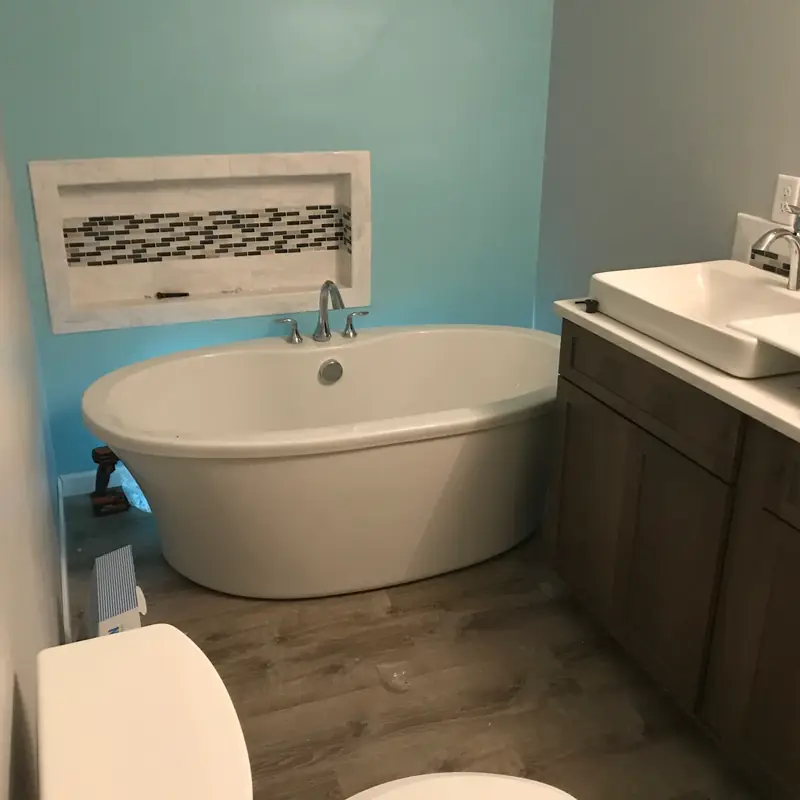
Plumbing problems rarely announce themselves. A drain gets a little slower, a faucet drips after you shut it off, the water heater makes a new noise. Most of what plumbers see every week falls into a handful of categories, and a few minutes of looking before you call can tell you how urgent it is.
Slow drains and clogs
One slow drain is usually a local clog. Hair in a bathroom sink or tub, grease and food in a kitchen line, soap scum in a trap. A plunger or a hand auger often clears it. If every drain in the house is slow, or a toilet gurgles when you run the washer, the trouble is further down in the main line, and no amount of plunging a bathtub will fix it.
Pay attention to what else happens when you run water. If flushing a toilet makes the shower drain bubble, air and water are fighting for the same blocked path. That is a main line symptom, and it tends to get worse quickly. A basement or ground-floor drain is the first place a backup will show up.
Toilets that run, rock or flush weakly
A toilet that runs on after the flush usually has a worn flapper or a fill valve that isn't shutting off. Both are inexpensive parts, but the fix is only simple when the rest of the toilet is in good shape. A toilet that rocks has a loose flange or a failed wax seal, and if you see water at the base or notice a soft spot in the floor, stop using it and have it looked at, because the subfloor is taking the damage.
Weak flushes can come from mineral buildup in the rim holes, a partial clog in the trap, or a vent problem. If a plunger fixes it once and it comes back in a week, something else is going on.
Leaks you can't see
Visible drips under a sink are the easy ones. The expensive leaks hide behind walls, under slabs and in crawl spaces. Clues include a water bill that creeps up with no change in habits, a musty smell, paint that bubbles, a warm spot on the floor, or the sound of running water when everything is off.
A simple test: shut off every fixture, then look at your water meter. If the dial or the small leak indicator is still moving, water is going somewhere. Note the reading, wait an hour without using water, and check again. That tells a plumber a great deal before they ever arrive.
Water heater trouble
No hot water, lukewarm water, a rumbling or popping noise, and water pooling at the base are the four common complaints. Popping and rumbling are often mineral scale on the bottom of a tank, and the Yakima Valley's hard water makes scale a regular guest. Water on the floor under a tank is different: a tank that has started to leak from the shell can't be patched, and the safe move is to shut off the water supply to it and plan a replacement.
If you have a gas water heater and smell gas, leave the house and call your gas utility or 911 from outside. Do not flip switches or look for the source yourself.
Low pressure and scale
Pressure that drops at one faucet is usually a clogged aerator, which you can unscrew and rinse. Pressure that drops everywhere can point to a partly closed valve, a failing pressure regulator, or old galvanized pipe that has narrowed from the inside. Scale does the same thing to fixtures and showerheads over time. White crust around faucets is a sign that your water is hard and your fixtures are paying for it.
Frozen pipes
Valley cold snaps are short but sharp, and the pipes that freeze are the ones in exterior walls, crawl spaces, garages and outdoor spigots. If a faucet runs a trickle or nothing in freezing weather, a pipe is probably frozen. Open the faucet so water can move as it thaws, warm the area gently with a hair dryer or space heater placed safely, and never use an open flame. If a pipe has already split, you will see water as soon as it thaws, so know where your main shutoff is before that happens.
- Find your main shutoff today and make sure it turns.
- Disconnect garden hoses before the first hard freeze.
- Know where your cleanout is, if you have one.
- Write down the date your water heater was installed.
When to stop and call
Call a plumber when more than one drain is affected, when water is where it shouldn't be and you can't find the source, when you smell gas or sewage, or when a fix you tried didn't hold. A repair that comes back is telling you the first guess was wrong.
Burke's Plumbing handles drain and sewer clearing, leak repair, water heaters, frozen pipes and the rest of this list for homes and businesses around Selah and Yakima, and the line at (509) 697-6574 is answered 24 hours a day, 7 days a week. Describe what you've seen and what you've already tried, and you'll get a straighter answer faster.
Burke's Plumbing, (509) 697-6574
Call (509) 697-6574More articles
Chemical drain cleaner vs. a plumber: what to try first
The bottle on the shelf promises a quick fix, but it can leave you with a harder clog and a damaged line.
What a well-stocked plumbing truck carries, and why it saves you a second visit
The difference between a one-visit fix and a three-day wait is often what's on the truck.