Chemical drain cleaner vs. a plumber: what to try first
The bottle on the shelf promises a quick fix, but it can leave you with a harder clog and a damaged line.
October 7, 2026 · 4 min read
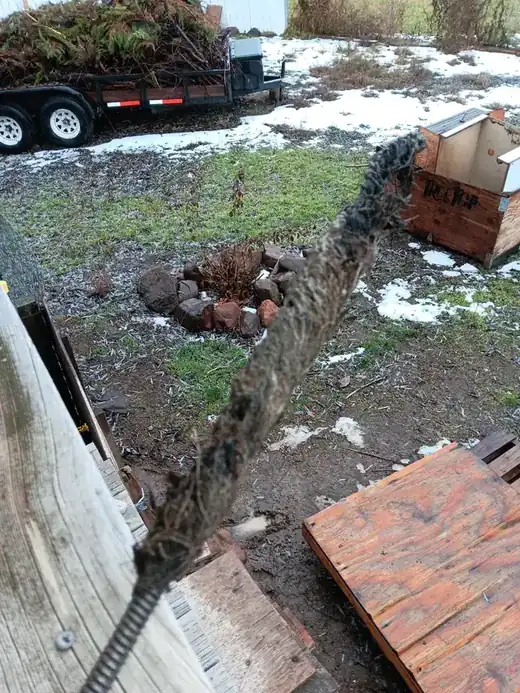
Standing in the store aisle with a clogged sink at home, a gallon of drain cleaner looks like the sensible answer. It's fast, it's cheap, and the label says it works on everything. Plumbers are less enthusiastic about it, and the reasons are practical, not snobbish.
What chemical cleaners actually do
Most liquid openers work by generating heat and reacting with whatever is in the pipe. That works on a small hair-and-soap clog sitting right below the drain. It doesn't work well on a clog with some depth to it, a grease buildup further along, or tree roots, because the chemical runs around the blockage or sinks into the trap and sits there.
When the cleaner fails, it doesn't go away. You now have a pipe full of caustic liquid sitting on top of the clog. The next person who opens that trap, whether it's you with a bucket or a plumber with a wrench, is working around something that burns skin and eyes.
The damage to old pipe
Heat and chemistry are hard on older materials. Cast iron and clay lines, which are common under older Yakima Valley homes, already have rough interiors from decades of use. Harsh chemicals can eat at joints and weaken thin spots. Plastic traps can soften when a strong opener heats up inside them, and chrome and porcelain fixtures can be stained or etched.
There's a second problem. Repeated chemical use on a clog that keeps returning hides the real cause. A line with a belly, a broken joint, or roots working in at a crack will clog again and again, and each bottle is just a delay.
What to try before you call anyone
- A cup plunger on sinks and a flange plunger on toilets. Block the overflow opening on a sink with a wet rag so the pressure goes down the pipe.
- Remove and clean the trap under the sink. Put a bucket under it first. Most kitchen clogs turn up here as a plug of grease and food.
- Pull the stopper and clear it. A bathroom sink drain often fails because of hair wrapped around the stopper, not anything deeper.
- A hand-crank drain snake, the cheap plastic or wire kind, for bathtubs and bathroom sinks.
- Hot tap water flushed down a greasy kitchen drain after the clog is cleared. Skip boiling water if you have plastic pipes or cold porcelain.
Baking soda and vinegar is the home remedy you'll read about most often. It does fizz, and it can freshen a drain, but it is not strong enough to move a real clog. Treat it as a rinse, not a repair.
Signs the problem is bigger than the sink
If more than one fixture is slow, if a toilet gurgles when the washer drains, or if the clog returns within a few weeks, the cause is probably in the branch or main line. Roots are a classic: they find a tiny crack in a joint, grow into the line for the moisture, and make a mat that catches everything that passes by. That's where a rooter service earns its name, which actually came from the word roots.
A drain machine, or cable, cuts through roots and clears the path. If the same line fills up again, the next step is looking inside it rather than guessing.
Camera inspection and hydro jetting
A sewer camera on a flexible line goes in through a cleanout or other access point, and a plumber watches the pipe's interior on a monitor as it travels. You can see roots, offsets where two pipe sections no longer line up, cracks, scale, and low spots where water collects. It turns a clog from a mystery into something you can point at.
Hydro jetting uses a high-pressure stream of water through a nozzle to scour the pipe walls. It's the right tool for grease and sludge buildup that a cable punches a hole through but doesn't remove. A good plumber often runs the camera first so they know what the jet is going to hit, and again after to confirm the line is clear.
Protecting the line afterward
Put a strainer in every sink and shower drain. Keep grease out of the kitchen sink and put it in a can instead. Wipes labeled flushable should still go in the trash. If your property has mature trees near the sewer line, consider a camera check every so often even without a clog, since roots tend to give no warning until the line is nearly shut.
When a bottle hasn't worked and you're still looking at standing water, Burke's Plumbing does drain and sewer cleaning, rooter service, camera inspection and hydro jetting for homes and businesses around Selah and Yakima. Call (509) 697-6574 any hour, and tell them what you've already poured down the drain.
Burke's Plumbing, (509) 697-6574
Call (509) 697-6574More articles
Six plumbing problems Yakima Valley homes run into, and what to do first
Most plumbing calls start with something small, and knowing what to check first can save you a mess or a wasted trip.
What a well-stocked plumbing truck carries, and why it saves you a second visit
The difference between a one-visit fix and a three-day wait is often what's on the truck.