Pipe and septic locating · Selah and Yakima
Pipe and septic tank locating before anyone digs
Find the buried line, the break or the tank lid first. Interior and exterior lines, residential and commercial, with a plan before the shovel.
Chapter 01
Know where the pipe is before the shovel goes in
Most of a plumbing system is out of sight. A line runs under a slab, behind a wall or across a yard with nothing on the surface to say where, and the first sign of it is a slow drain, a gurgle behind the wall, or water showing up in a spot it has no business being. Digging to find a pipe by guess is how a small repair becomes a large one.
Locating comes first for a simple reason: a dig that starts in the right place is shorter, cheaper to put back, and less likely to hit something else. That goes for a remodel that has to work around an old line, a fence post, a new bathroom addition, or a leak you can hear but cannot see.
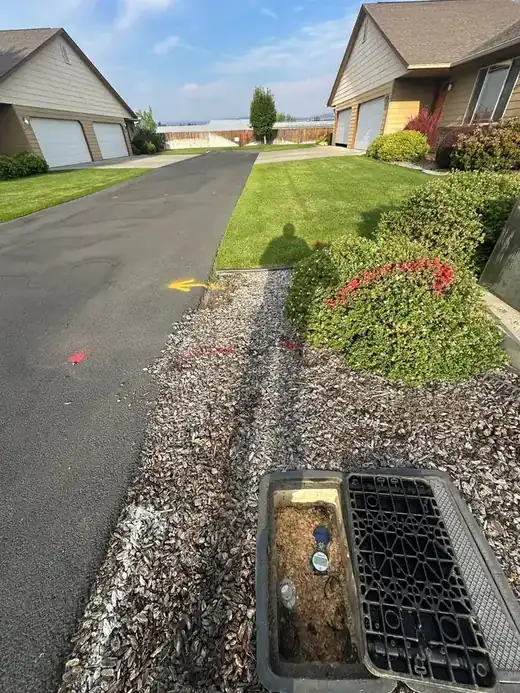
An open water meter box at a residential curb before a line repair
How we trace a line, inside and out
We work both sides of the wall: interior plumbing for noises, leaks and clogs, and exterior runs underground. Our plumbers use cameras and other equipment to pinpoint where a blockage or a break sits along the line, then mark it so the next step is a plan instead of a search. Where an accessible cleanout exists, that is the way in. See our camera inspection page for how the video run is done.
Locating pairs with the rest of the trade. A line that is found and cleared with a rooter or jetting nozzle may never need a dig. A line that is found broken goes to excavation and replacement with the exact spot already marked. And in a business, locating pairs with smoke testing when the complaint is a sewer smell nobody can place.
You get the upfront inspection and a plain answer about what your system is doing. We will not sell you tools or drain products that were never going to work for the problem you actually have.
Chapter 03
Septic tanks: finding the lid
If your property runs on a septic system and nobody can remember where the tank sits, the lid is often buried. We know the layout and components of residential and commercial septic systems, and we use excavation machines to uncover the lid quickly instead of probing the whole yard.
Septic work carries real health risks from what is inside the tank, which is why it belongs to trained hands and not to a weekend with a shovel. Once the lid is found and open, you know where it is for every future service visit.
Call the office with what you know: the age of the house, where the cleanout or the vent stack sits, where the drain leaves the building. That is usually enough for our crew to narrow a search down before the truck arrives.
Licensed and insured, WA BURKEP*795N5. Open 24 hours: (509) 697-6574.
What we found
Two frames from the field, and a leak that got isolated
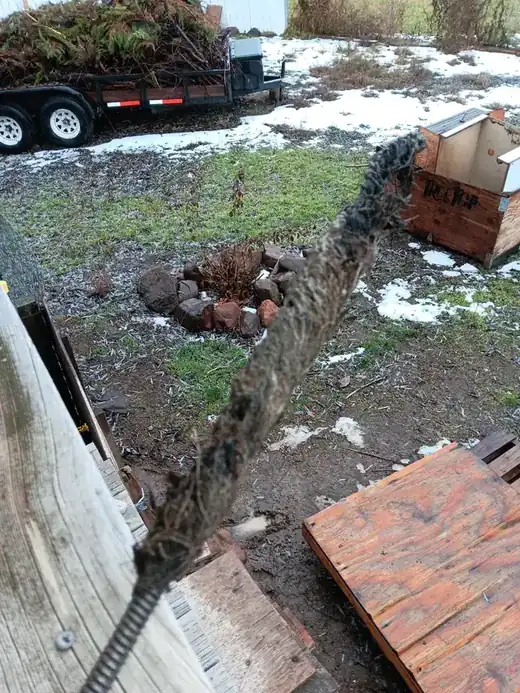
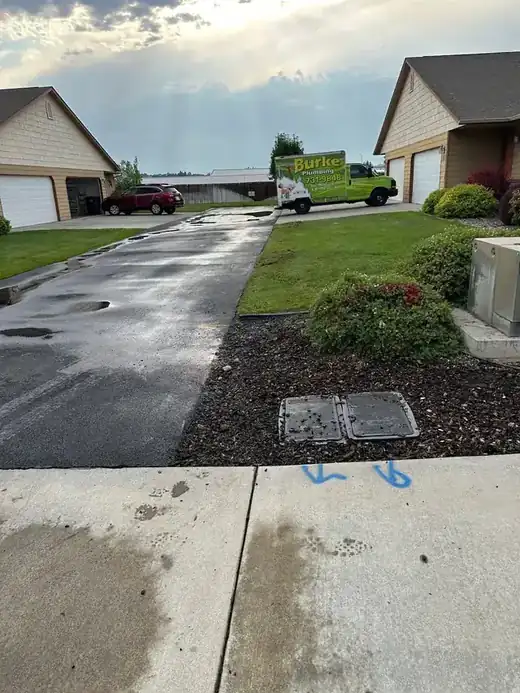
Showed up and diligently worked until it was done. He replaced five valves which also helped identify and isolate the leak. They are coming back today to repair the leak.
Once the line is located, the next step depends on what is wrong with it. A clog goes to drain cleaning, a collapsed line goes to side sewer replacement, and if you are not sure yet, the office can take the job details and book a visit.